
Onboard AI compute
Performance vehicles can now run serious perception and inference on board, close enough to the chassis to matter in real time.
A smarter move from electrons to the road.
Performance intelligence
We are Pittsburgh Dynamics. We are building the system that the next generation of performance driving will run on: AI that turns electric power, road context, and chassis authority into more usable performance at the tire. The vehicle reads the road ahead, understands available grip, and prepares torque, braking, and stability decisions before the limit arrives.
Why now
The hardware is ready. The sensors are already on the vehicle. The missing layer is intelligence that can connect what the car sees, what each tire feels, and what each wheel should do next.
Performance vehicles can now run serious perception and inference on board, close enough to the chassis to matter in real time.
Multi-motor EVs give the vehicle precise command authority. The next leap is deciding how to use it when grip is changing.
Vision, thermal cues, tire state, and chassis signals can now become one live picture of the tire-road relationship.
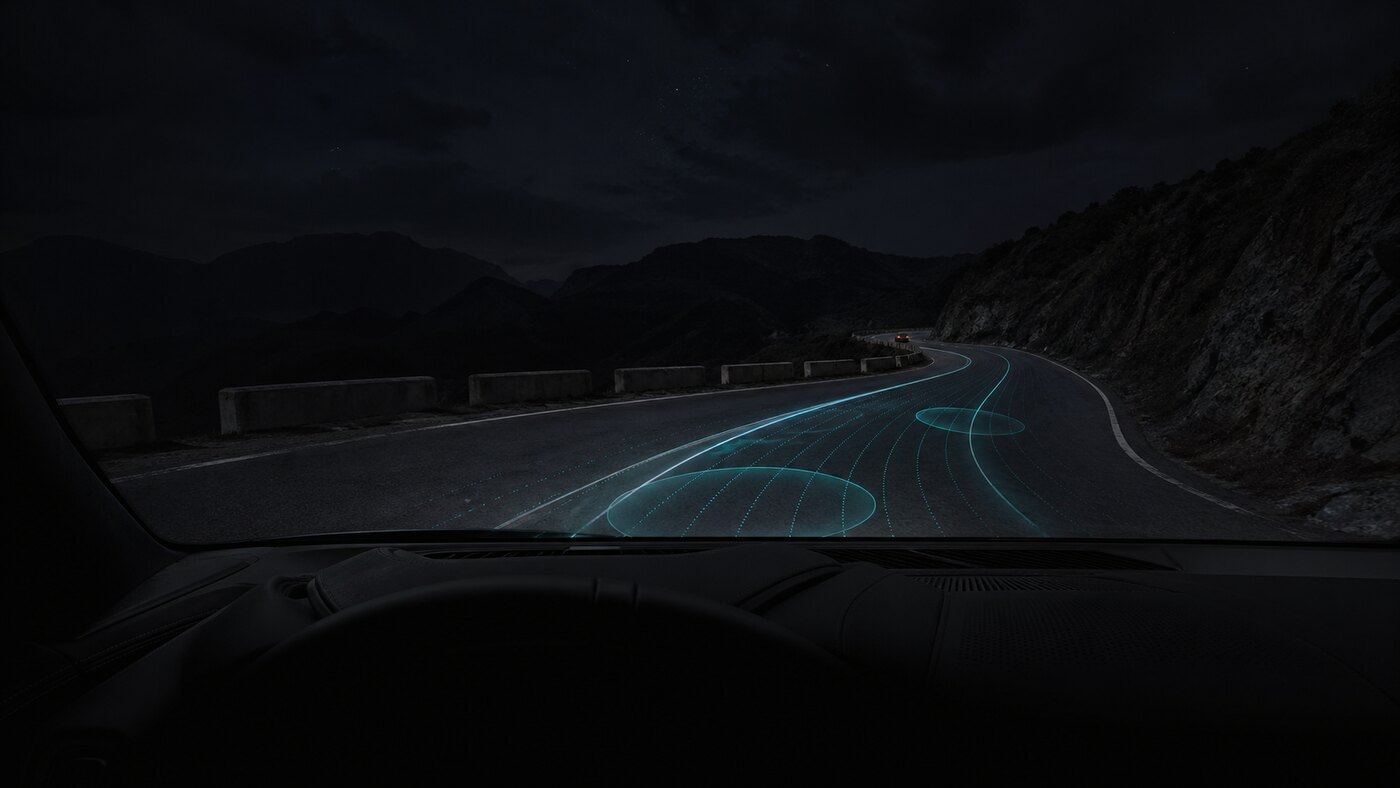
From road surface to vehicle intelligence
Cameras and onboard signals turn the road ahead into useful context. Pittsburgh Dynamics uses AI to convert that context into grip awareness, driver adaptation, and autonomous-ready chassis decisions.
What we are building
Pittsburgh Dynamics turns vehicle data into usable intelligence. The result is not another driving mode. It is a constantly learning layer that helps the car understand the road beneath it and the road ahead.
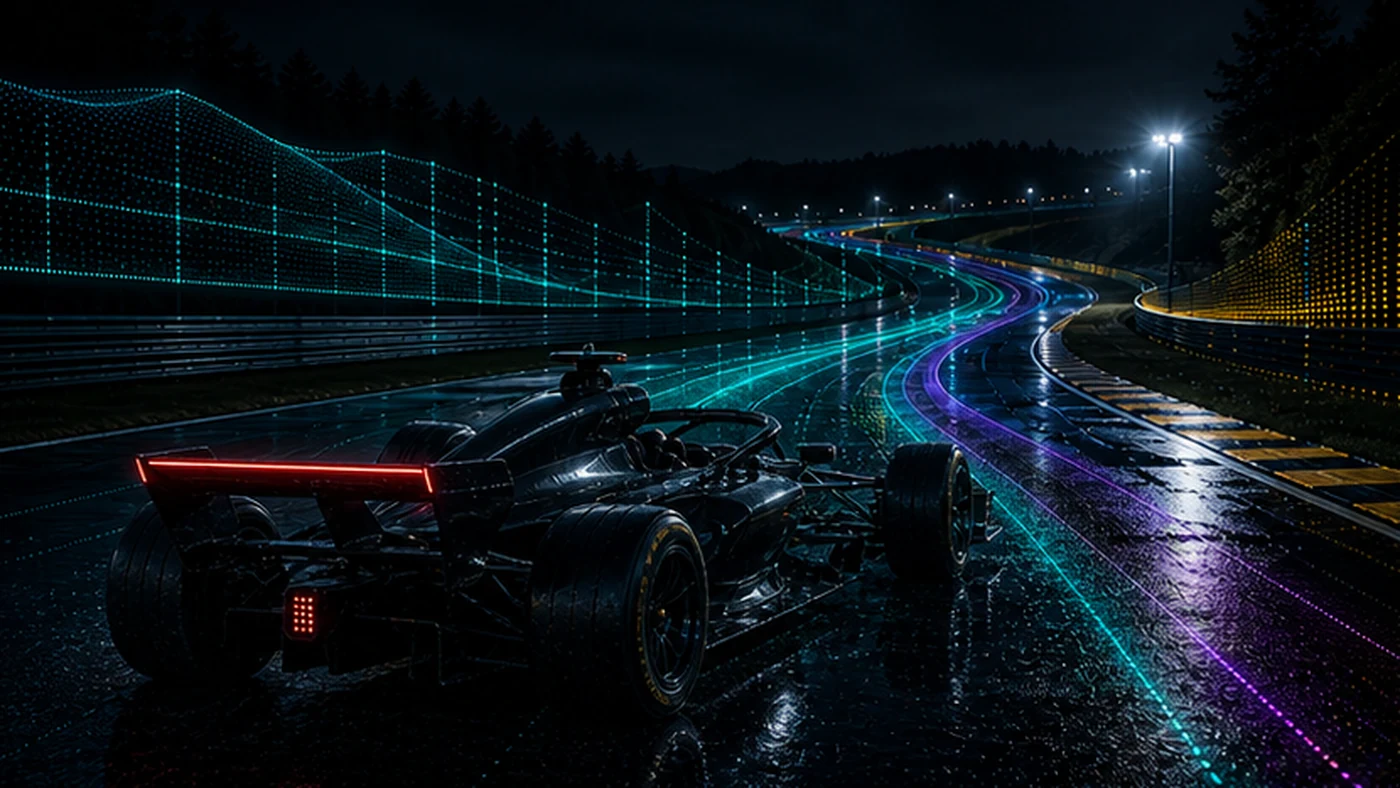
Multi-sensor perception fuses complementary inputs to read surface, texture, weather cues, and road geometry before the tire reaches them. The vehicle stops reacting late and starts preparing early.
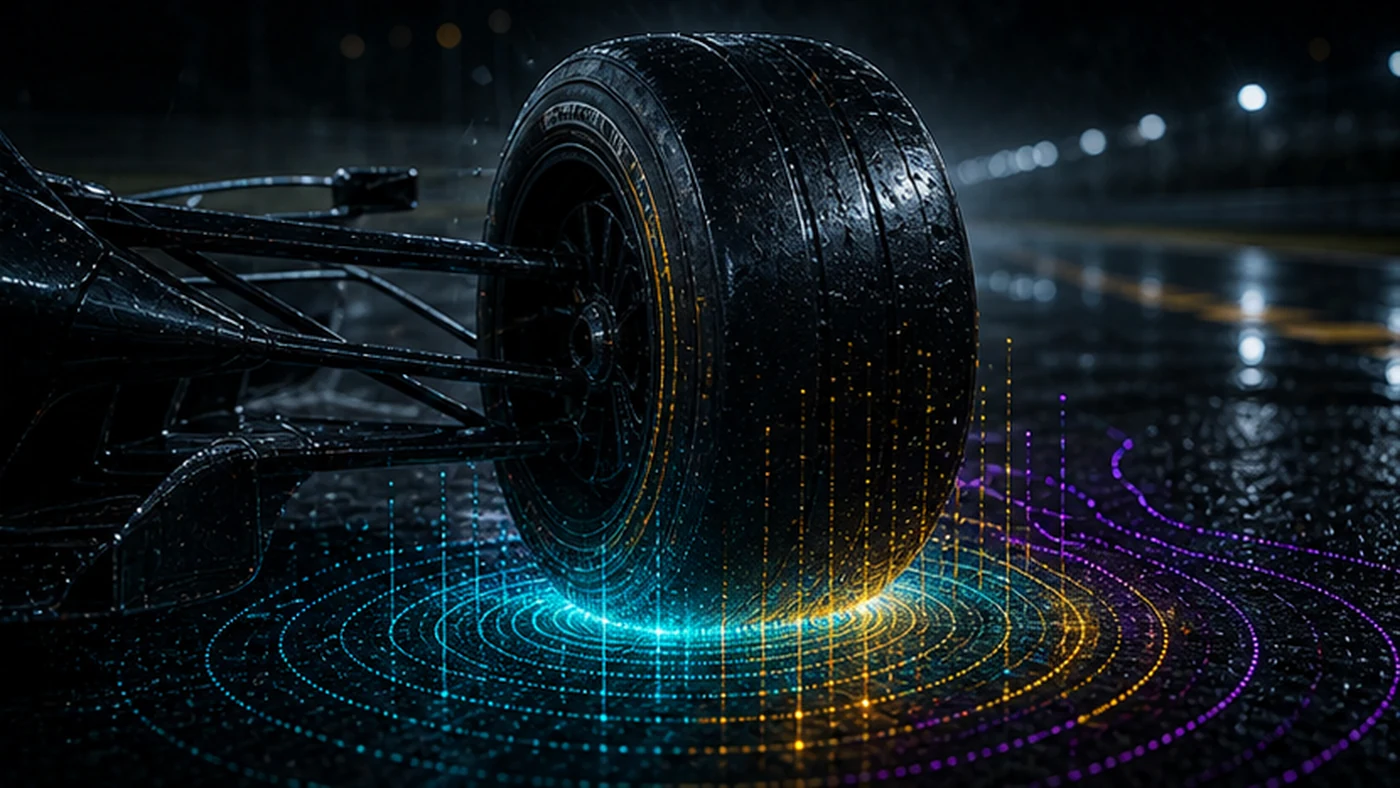
AI turns tire, chassis, and road signals into a live understanding of available grip. Not an average estimate. A constantly refreshed answer for what the car can do right now.
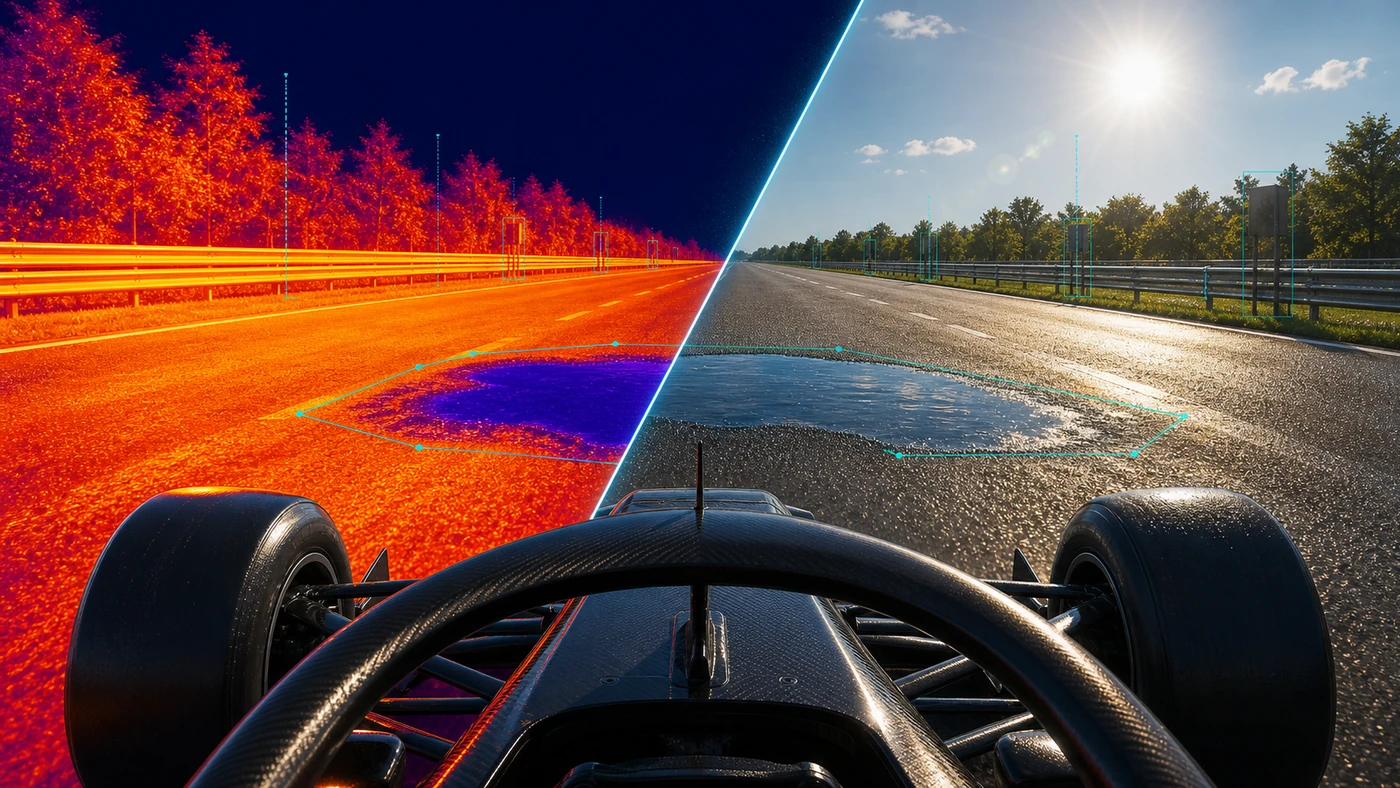
The system projects how grip is about to change as load transfers, surfaces shift, and the driver commits to the corner. The next decision is already being prepared.
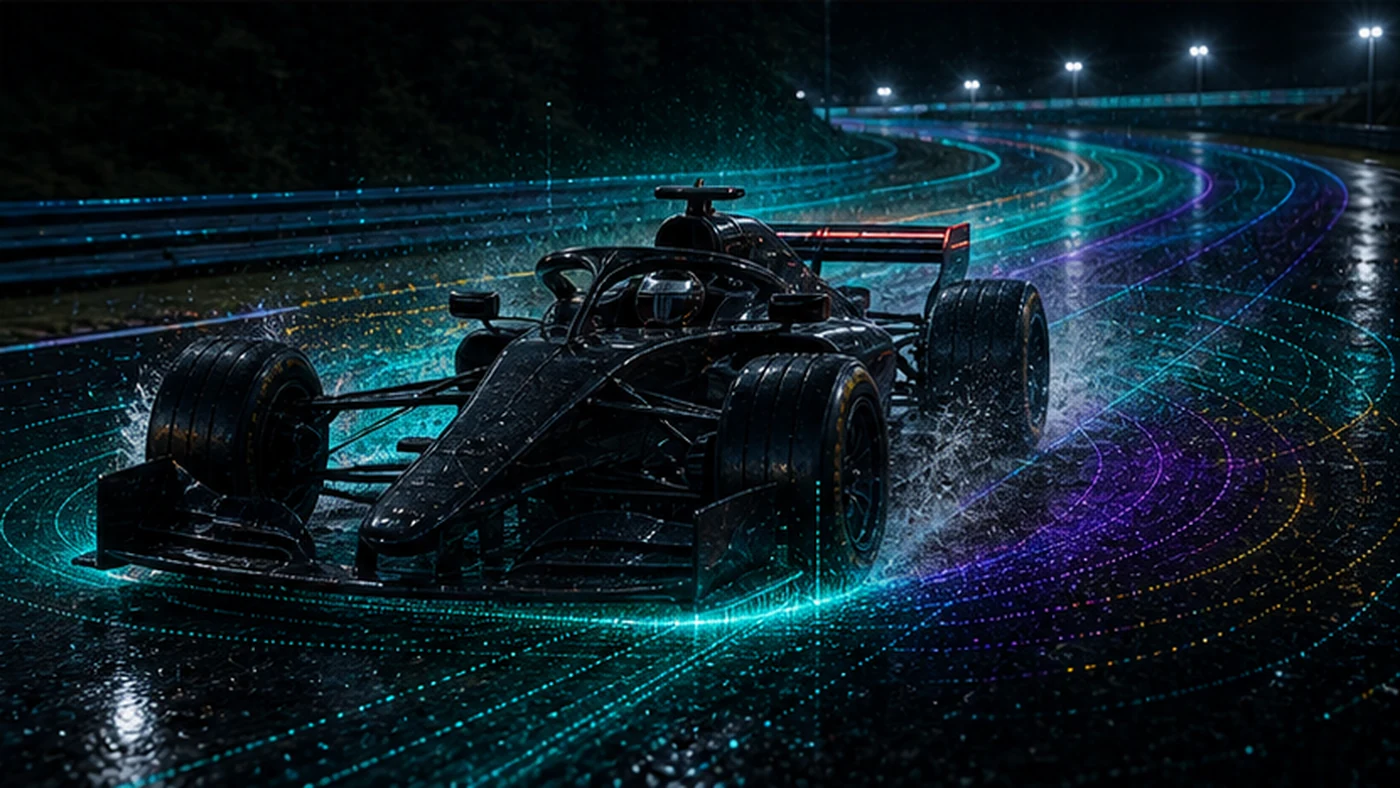
Built for the coming generation of intelligent vehicles, our autonomy layer helps the chassis choose calmer, faster, and more confident actions under changing grip. It is built to satisfy internal testing requirements that demand precision beyond what even the best professional drivers can provide.
One chassis brain
Braking, traction, stability, torque vectoring, launch, and driver adaptation should not feel like separate systems negotiating. They should act like one intelligence layer with the same road context and the same grip envelope.
Forward sensing turns surface, temperature, water, and geometry into useful preview context.
Each wheel carries its own tire-road picture instead of sharing one averaged grip assumption.
Confidence changes how boldly the vehicle uses the available envelope before the next load arrives.
Wheel torque, braking, and stability decisions move toward the same objective, not competing ones.
AI grip intelligence
Every corner changes the road-tire relationship. Our AI watches those changes unfold and keeps a live picture of what each wheel can safely deliver now, plus what it is likely to deliver next.
The car is never sitting on one uniform surface. One tire may be hot and loaded. Another may be crossing cooler pavement. A third may be preparing for exit torque. AI makes that invisible state usable.
This public visualization shows the kind of signals our system turns into vehicle intelligence, while the most valuable channels remain locked inside the Pittsburgh Dynamics runtime.
The runtime tracks twenty live channels per vehicle. A few are shown on the map and the wheel cards; the proprietary AI channels stay encrypted. They inform the vehicle, but their internal meaning stays protected.
AI boundary
High-performance vehicle AI has to earn trust. Our public design principle is simple: AI shapes context and confidence, while deterministic control keeps the hard safety envelope intact.
Road preview, driver intent, and tire behavior become richer inputs for the chassis.
The grip estimate ships with its own confidence. As that confidence falls, the controller widens its margin to the friction limit.
The hard constraints stay grounded in vehicle dynamics, tire limits, and validation.
If an AI signal degrades, the chassis can fall back to calibrated behavior instead of failing abruptly.
Why it matters
The best vehicles of the next decade will not just be powerful. They will be perceptive. They will understand grip, adapt to their driver, and prepare for road conditions before they become problems.
The car can use more of what the road offers while staying composed when the surface changes.
Autonomous driving becomes stronger when the vehicle understands not just lanes and objects, but grip and surface behavior.
The vehicle can adapt to driver style, tire condition, weather, and repeated routes without asking the driver to choose a mode.
At the limit, milliseconds matter. Future grip awareness gives the chassis more time to make the right call.
What 2% means
Pittsburgh Dynamics has developed a proprietary hardware system designed to integrate with any electric vehicle and improve propulsion efficiency by two percent. That gain means more usable range on the road, more energy available on track, and greater freedom in how the vehicle deploys power.
In energy-limited competition, even a small efficiency gain can create more deployment freedom, reduce energy management, and preserve performance deeper into a race.
Compounded across hundreds of laps, two percent can change stint strategy, pit timing, and how long the car can stay in its fastest operating window.
When energy management dictates pace, two percent can translate into tenths per lap. Across a race, that becomes seconds. Across a season, it can become a championship.
Same battery. Same motors. More usable energy. Built for integration across EV platforms.
Who we are
The Pittsburgh Dynamics team connects Pittsburgh's AI ecosystem with Istanbul's engineering rigour.
Cofounder and CEO - Istanbul

Building the vehicle-intelligence core behind Pittsburgh Dynamics.
[email protected]Cofounder - Pittsburgh

Founding Shareholder — Non-Operating
[email protected]For partnerships, talent, and serious conversations about the future of intelligent performance.